Step 1
Learn
Weekly live sessions on Women's health, research and programme skills, taught by the industry's best!
WHALE is a 6-month fellowship where you don't just learn women's health. You research it, take it into communities, and build a body of work that speaks for you.
WHALE (Women's Health, Advocacy, Leadership & Excellence) is Gynix Afrika's flagship fellowship. In six months you will run a real community health programme, complete an applied research project from protocol to written report, and leave with work that is documented, assessed, and yours to take anywhere.
Claim your spotYou design the protocol, write the findings, and defend them. The work is yours to take anywhere.
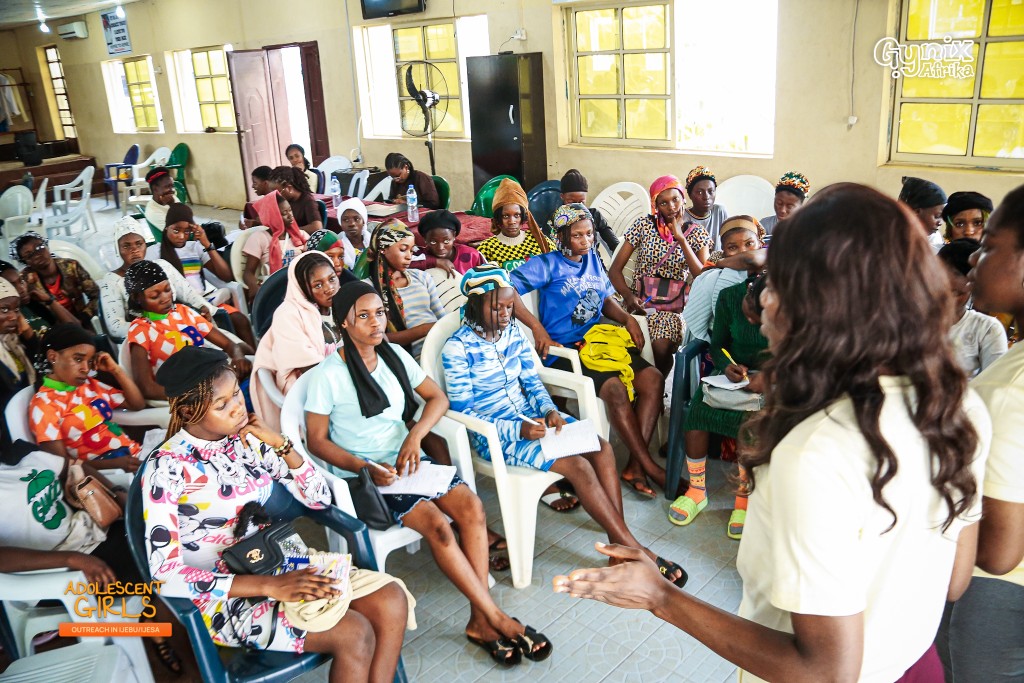
Your cluster takes the Gynix Girls' Club into real schools and tracks what changes — not a simulation.
Research, leadership, advocacy, and programme design — taught by people doing the work.
Signed by a trained gyneacologist. It records what you did, not that you attended.
From practitioners who supervised you — for jobs, school, and funding.
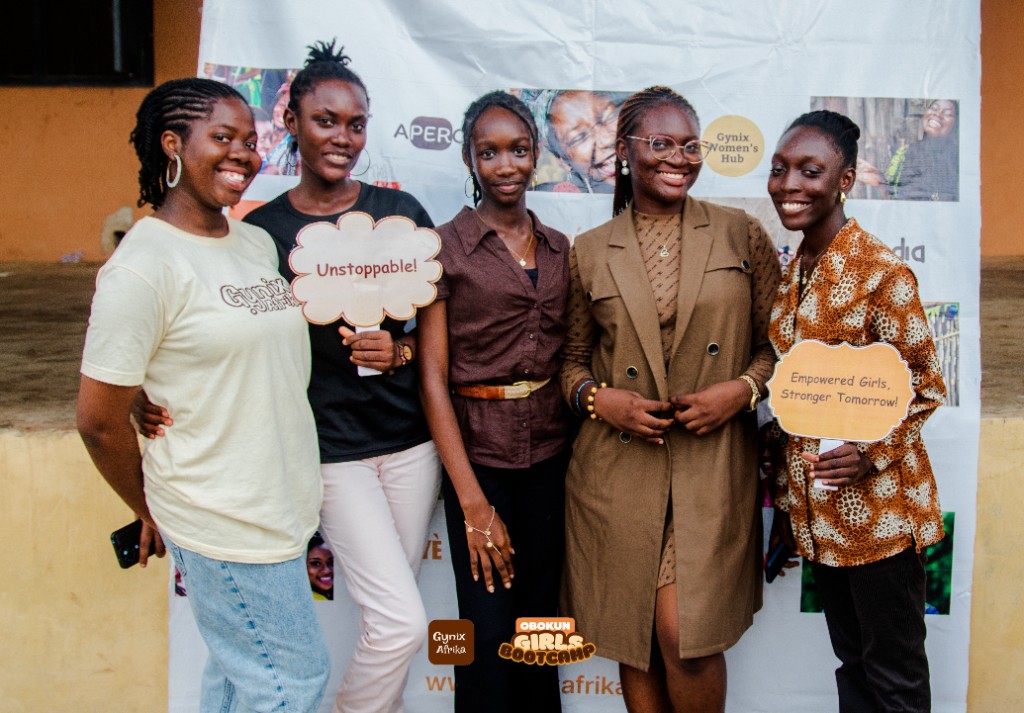
Four to six fellows from day one. Most keep working together after they graduate.
Regular price: ₦60,000
₦15,000
That is ₦2,500 a month. Less than most people spend on data.
This is the first cohort. Applications open 21 September. Close 21 October.
Apply for WHALE 2026Our guarantee: Attend your sessions, submit your work, show up for your cluster. If 30 days in this isn't exactly what we said it was — full refund, immediately.
Applications open 21 September 2026. Close midnight, 21 October 2026. Fellowship begins October 2026.
Maternal health, GBV, HIV, cancers, and rights — taught by clinicians.
Lead your cluster, speak up, and keep the work going.
Speak, write, and advocate so people take you seriously.
Design a study, collect the data, and write it up — on your real capstone.
The digital tools and ideas changing how women's health is delivered.
Turn an idea into a programme that actually runs.
Hold a room, bring people together, and facilitate a Gynix Circle.
Write a grant, shape your path, and build a name that travels.
How you show up — in rooms, online, and at work.
Step 1
Weekly live sessions on Women's health, research and programme skills, taught by the industry's best!
Step 2
You are placed in a team from Week 1. Your cluster is your accountability system, your research team, your outreach unit, and your most durable professional network.
Step 3
By Week 5, your cluster is facilitating sessions with real adolescent girls through the Gynix Girls' Club. You plan it, execute it, and track what changes over months.
Step 4
Your fieldwork becomes your capstone. Same participants. Same data. One body of work that is both a programme and a study — yours to publish.
Step 5
Certificate. Reference letter. Research report. Field portfolio. Alumni network. Six months of proof — not of attendance, of work.
"I thought it would be another four-week program. It was the opposite."
Ifeanacho Sonia"Not just theory. Real exposure."
Oluwaseun Ifeoluwa Praise"It pushed me from just learning to taking action."
Divine Treasure Sunday"I was afraid of speaking up. Now that's a thing of the past."
Ifeanacho Sonia"Gynix Afrika is the full package. You'll learn, unlearn and relearn."
Thaoban Aisha"I gained new skills, widened my network, and grew in confidence."
Miracle AmooLive sessions are online, so you can join from wherever you are. Fieldwork is in person — you facilitate with real adolescent girls, not a Zoom role-play.
Through the Gynix Girls' Club, in communities Gynix Afrika already works in. Your cluster is placed on a real programme. We'll match you when you're accepted.
This is the first cohort. We keep it small enough that every fellow is in a cluster and actually supervised — we don't publish a fake number. Apply between 21 September and 21 October. If the cohort is full, we'll say so.
Students and graduates building toward public health, global health, advocacy, research, or NGO work. If you want real experience — not another certificate — this is built for you.
Six months, starting October 2026. Weekly live sessions, plus fieldwork with your cluster from week 5.
A research report with your name on it, a programme you ran, a certificate that names the work, a guaranteed reference letter, and a cluster that lasts.